
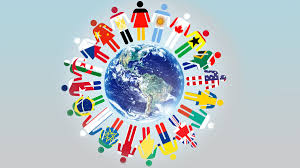
An early 2000 magazine depicting a “culture” club representing different nationalitys in a photo magazine
With the rise of social media and globalization, we are now more connected than ever; at no point in human history has there been a better and easier time to share ideas, thoughts, beliefs and culture. The introduction and take over of social media has forced us to rethink how we look at and define culture. Culture once was seen as something reserved only for the upper class, something associated with wealth, knowledge, and “good taste. ” Over time, however, people began to recognize that culture is far more complex. Culture is one of the few words that does not really have a definition. The definition of culture depends on how you interpret it. It is not a luxury but a living reflection of who we are, what we believe in, and the legacies of the people who came before us.
One of the most significant cultural shifts that has been caused by social media is how it allows individuals to construct multiple identities. A person can present one version of themselves online and another in person, each shaped and influenced by different communities, aesthetics, and values. Sherry Turkle talks about how digital life encourages people to live in “parallel identities” (Turkle), showing how social media separates who we are online from who we are offline. Through these online filter bubbles, individuals can belong to cultures that have little to nothing to do with their physical surroundings or heritage. The beauty in it is that someone’s cultural world is no longer limited to their hometown, language, or social class. Instead, social media allows us to freely participate in any cultural space and subculture we connect with.
Social media has become the birthplace of so many new cultures and subcultures. Shared global experiences, events, memes, trends, music, humor allow people from different backgrounds to connect instantly. You don’t even need to speak the original language. Social media brings together cultures from all around the world into one massive melting pot. These platforms make it possible for people to express themselves creatively and authentically, forming new communities built on shared values, aesthetics, or experiences. People are able to freely just experience any culture they associate or feel connected with, a freedom we often take for granted.
However, the openness of these platforms comes with a whole nother set of challenges. While social media allows for greater and easier self-expression, it also creates the possibility that certain agendas may be pushed on its participants. The introduction of mass media has made the spread of propaganda, misinformation, and ideological influence easier than ever before. Sociologist Manuel Castells argues that digital networks have become “the primary space where power is constructed and contested” (Castells), social media can shape political, cultural, and economic narratives. When it is so easy to participate in these communities and cultures we run the risk of not truly understanding where it originates from or what its deeper meaning is. In the current digital age, culture can be manufactured and shaped specifically for economic gain, political influence, or marketing strategies. Something that was once rooted in specific places, traditions, and languages is now accessible to the entire world, sometimes being stripped of its original context in the process.
This can create tension between celebrating the beauty of cultural exchange and preserving personal identity. Sharing our culture is valuable and important if we want to thrive as a global community, but there always is the risk of losing a sense of one’s own roots in the process. When cultural symbols circulate globally, they can become detached from the communities that created them. As someone who values cultural exchange, I also believe it is so immensely important to remember where we come from to avoid letting our identities dissolve.
In the end, social media has truly transformed how we think of culture expanding it, distorting it, and globalizing it all at once. It offers amazing opportunities for connection and creativity, yet it also forces us to preserve authenticity and meaning. As culture becomes increasingly digital, we need to find a balance between embracing the possibilities of global connection while still holding onto the identities, histories, and traditions that shape who we are.

The image above is promotes this sense of global culture while keeping an individual identity
Leave a Reply