Trends as a Language of Culture

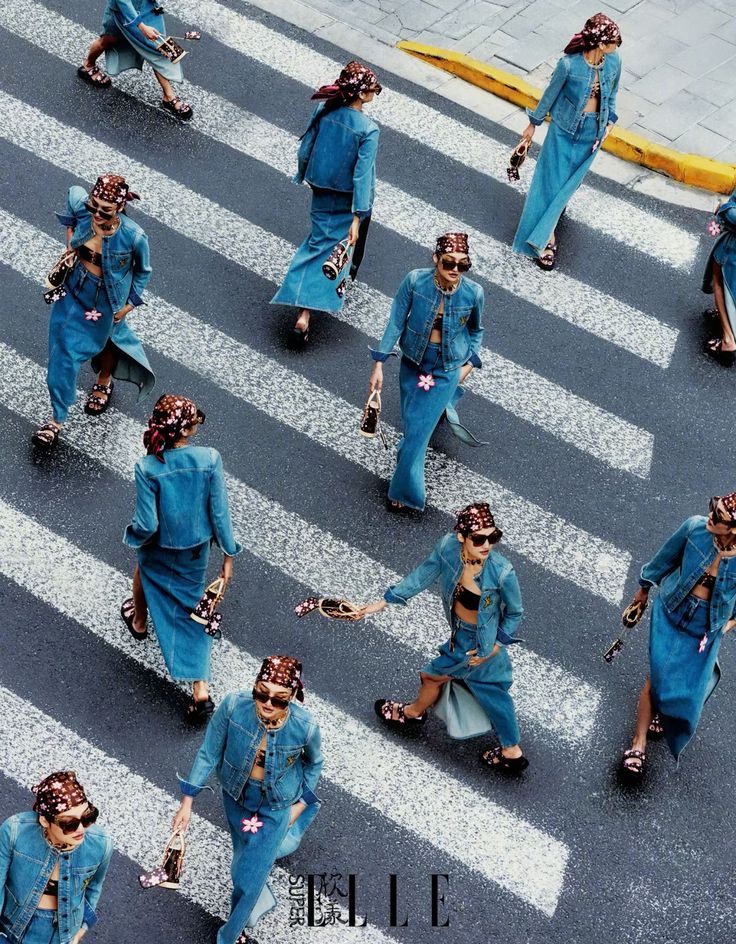
When you think of trends. Where do we get them from? Why do we follow them? Are they a part of how we express ourselves or are we uncreative when copying everybody else? You might have considered both. We live in a world that tells us to be unique and stand out, but at the same time we don’t want to be too different. So, we end up somewhere in between, but most importantly staying inside the norm.
“In a world driven by innovation and cultural evolution, trends, especially in fashion, act as a mirror reflecting society’s ever-changing desires, values, and aspirations.” – C2 Fashion Studio
In an article from Medium, Waleed Mahmud Tariq explains that trends act like a social guidebook. They show us what fits in right now, and what doesn’t. (Tariq). He describes it perfectly: we try so hard to stand out, but somehow, we end up blending in. The psychology of this is more than just about wearing an outfit or same shoes as hundreds of others. According to C2 Fashion Studio, our brain loves novelty – when something feels fresh, it literally gives us a dopamine hit (“The Psychology of Trends”). We like something fast, but quickly loose interest when a new trend appears.
“Fashion acts as a visual language, allowing individuals to communicate their alignment with cultural narratives.”
– C2 Fashion Studio
Also, Trends helps us “speak” without talking. In terms of blending in, we show our values, our taste, even our cultural belonging, all through what we wear and buy. This feeling of belonging makes our public persona satisfied, because following trends both gives us the dopamine kick and through a mutual feeling we share with others.
Living Inside a Trend
Trends are not just about clothing. Now, they’ve also become a whole identity.

Glamour’s article looks at how people on TikTok feel pressure to pick a personal aesthetic – things like “Clean Girl”, “Barbiecore”, “Coquette”. Each aesthetic comes with its own color palette, attitude, lifestyle, and vibe (McNeal). It’s like a ready-made personality.
But there is a downside.
Trends are supposed to be about self-expression through clothing, but as Stephanie McNeal point out, it can also box people in.
Your style becomes something you must maintain instead of something you enjoy. You start to worry whether you’re being “consistent” enough. Your Instagram feed suddenly has rules, and your personality feels curated. What should be fun self-expression just becomes another rulebook (McNeal).
The Cultural Domino Effect

Trends don’t appear out of nowhere. Trend forecasters discover them from early adopters, who explores before anyone else often within subcultures or niche communities (“The Psychology of Trends”). When the trend gain traction, it moves into mainstream and reaches its spark before getting popular. In the digital age with social media, it has become a lot easier for micro-trends to gain visibility quickly, even overnight. (“The Psychology of Trends”). C2 Fashion Studio describes this circle as a “dynamic feedback loop between individual psychology and cultural shifts”. It’s like a cultural domino effect.
This kind of speed is exiting, because anyone can start at trend now. Though it has become much harder for the trend forecasters to predict. They now face a world where something can be “in”, peak, and die before the month is over. Of course, some trends last a whole season and can return, but trends have a tendency of appearing and disappearing faster than we realize.
Trends are there to inspire us, connect us and spark creativity. But it’s clear that they shape more than what we buy. They influence how we understand ourselves and how we fit into society.
WORK CITED:
- C2 Fashion Studio.” The Psychology of Trends: Why We Follow and What Drives Change” C2 Fashion Studio, https://c2fashionstudio.com/the-psychology-of-trends/
- Tariq, Waleed Mahmud. “Why Do We Follow Trends?” Medium, 16 July 2024, https://medium.com/illumination/why-do-we-follow-trends-9e03c7bd01bc
- McNeal, Stephanie. “What’s My Aesthetic? It’s the Hottest Question of the Moment.” Glamour, 19 May 2023, https://www.glamour.com/story/age-of-aesthetic
- Pinterest. “Trending Aesthetics Collage.” Pinterest, [https://dk.pinterest.com/pin/189714203047883097/], Accessed 19 Nov. 2025.
- Pinterest. “spring 2025 trends.” Pinterest, dk.pinterest.com/pin/9570217952753304/. Accessed 19 Nov. 2025.
Leave a Reply