How is the media we consume effecting our health?
As of 2024, 95% of teens between the ages of 13 and 17 reported using at least one social media platform daily whether that be Instagram, TikTok, or Snapchat. Despite the minimum age restriction of a majority of these apps being 13 and up, roughly 40% of children ages 8-12 reported being active on social media at least once a day beginning in 2019. Following this rise, record levels of depression and anxiety were recorded for teens within these age ranges. This proves that there is a prominent impact on the mental health of teens and children due to excessive media consumption. As more and more teens log onto these apps each year, parents and even teens themselves are asking the question we are all wondering: How is social media truly affecting the mental health of teens and young kids?

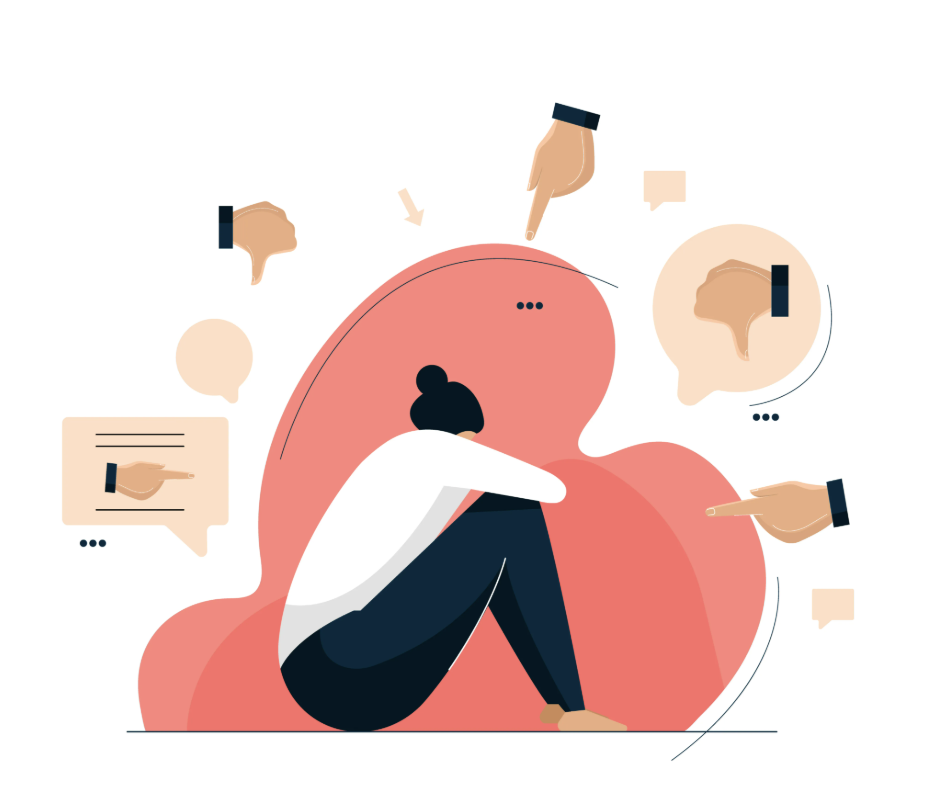
The link between social media and anxiety is the most widely discussed aspect when it comes to mental health and technology. The constant pressure to present the perfect version of yourself online for everyone to see can quickly become overwhelming and blindly take control over the lives of teens who do not know any better. This false sense of perfection is what leads to the culture of comparison. Scrolling through social media seeing only “perfection” can trigger a powerful emotional response even if deep down we know what we are viewing is not always reality. It is also this comparison that can trigger the fear of missing out, more commonly known as ‘FOMO’. This feeling is the anxiety that others are having a more rewarding experience that you may be absent from. Stemming from not only friends online, but also people you may not even know personally. A constant pattern of comparison such as these can result in low self esteem, body dissatisfaction and overwhelming feelings of inadequacy. It is these hard to navigate feelings that show themselves through high levels of anxiety.

“Comparison is the thief of joy” – Theodore Rosevelt
Gabriel Freitas
It was in 2020 when the world shut down due to COVID-19 that these shifts became truly notable with an estimated 25% increase in recorded symptoms of depression. Teens were forced to stay home from school losing almost all forms of social interaction we never thought twice about. Without these interactions, people turned to their phones in order to stay updated on the lives of those we care about. The conversations we used to have in the halls, over coffee, in the car, or at work, turned into online posts, pictures, and texts inevitably marking the rise of depression among teens and young adults. An almost inhuman worldwide isolation forced us to turn to the worlds inside our phones in hopes of escaping the one we were currently living in. However, this online world may have been destroying us in ways the pandemic couldn’t. As teens and adults continue to treat and manage these lasting effects, it is important to understand the effects that media and technology can have on the mental health of developing minds before it is too late.
In a world seemingly run by technology, it is necessary to understand its effect on us as humans. By acknowledging the patterns that affect our mood and mindset, we can reclaim a healthier digital life. After all, the goal is not to disconnect from the world but instead, reconnect with ourselves.
Sources
Deepa, M., and V. Krishna Priya. “Impact of social media on mental health of students.” International Journal of Scientific & Technology Research 9.03 (2020): 3796-3800.
Nesi, Jacqueline. “The Impact of Social Media on Youth Mental Health.” NC Med J 81.2 (2020): 116-121.
Leave a Reply