Racquel Campbell

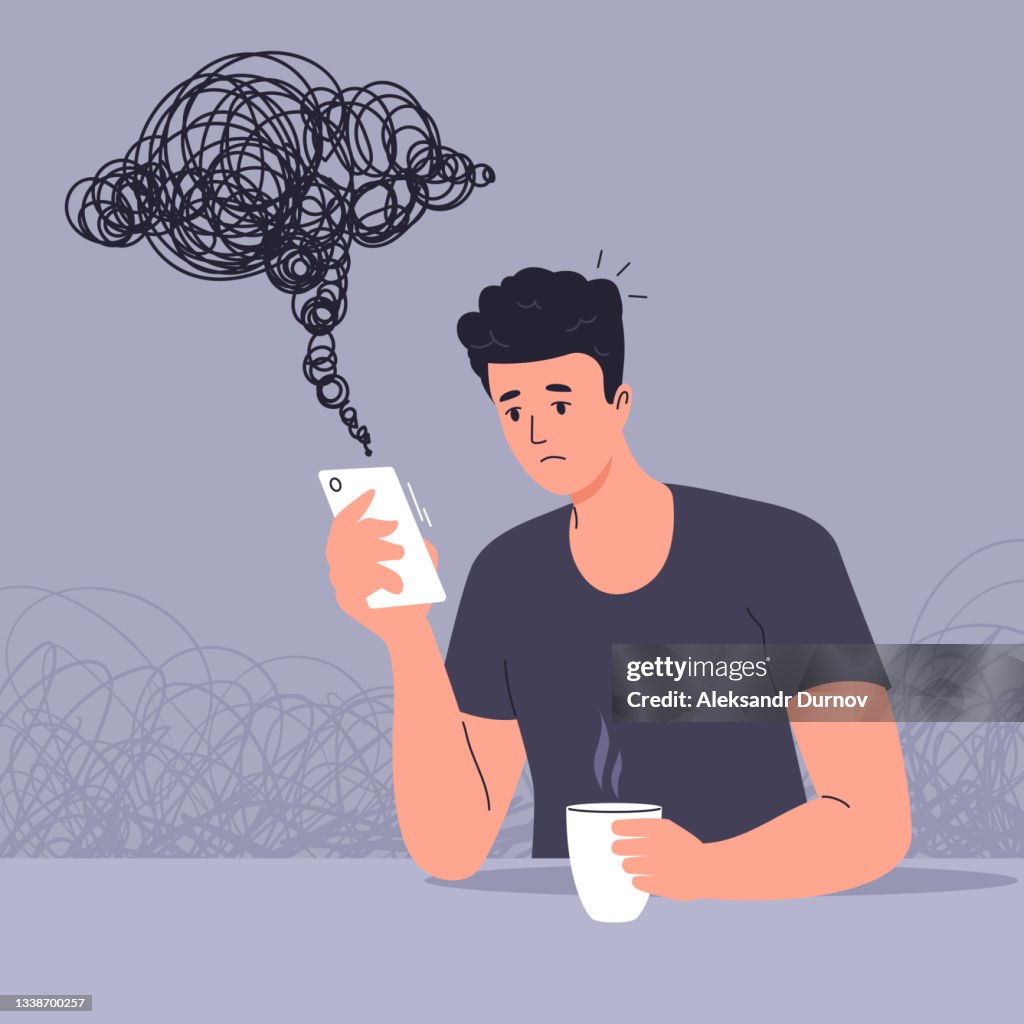
Everyone has probably experienced doom scrolling at least once, and it can be entertaining. “Doomscrolling” is a new term that has emerged over recent years primarily due to the overuse of social media platforms such as Instagram and TikTok. Doomscrolling is when somebody continuously scrolls through social media platforms with no clear purpose or end. The term has become more prevalent on TikTok, where its usage has increased significantly over the last seven years.
Doomscrolling can be extremely dangerous, and people are normalizing it whilst simultaneously integrating it into their daily routines. It can range from scrolling for endless hours after bedtime, late at night. In addition, it can be the first thing 80% of people do when they first wake up in the morning.
With the constant surge of mass shootings, wars, climate effects, and an overall polarized world now, people yearn to stay informed, and they want to know what is currently happening in the world. Little do they know that they could be harming their mental health.
Covid-19 Effects
Phtoto by: Sanjay Scuchak

This image, portrays how doomscrolling may have looked when attempting to stay informed during Covid-19
“Doomscrolling”, which was one of Oxford English Dictionary’s words of the year in 2020, expectantly surged during Covid-19, due to electronics and social media being the only form of communication to the outside world. Citizens wanted to keep up with lockdown updates, the safety measures they could take in and out of their homes, and to know how many casualties Covid had caused at the time, and they needed the media and news to keep people informed.
Now, over 5 years later, we can no longer hold on to the excuse of social isolation and information. Harvard experts even say “doomscrolling has emerged as an insidious threat to our minds and bodies.” It’s a phenomenon that poses a significant threat to our mental health and will only get worse if it is left unaddressed.
Dr. Aditi Nerurkar, a lecturer in the Division of Global Health and Social Medicine at Harvard Medical School, says, “Our brains and bodies are expertly designed to handle short bursts of stress. But over the past several years, the stress just doesn’t seem to end. Doomscrolling is our response to that.” This opinion is such an essential component of what doomscrolling is and how it surges. We crave short-term bursts of information, and doomscrolling gives people that on a golden platter. Human bodies weren’t designed to withstand the high levels of stress they experience. The algorithms on social media control what the user sees at certain times, making it seem like you’re “looking” for something, but it’s just an excuse to scroll more. Doomscrolling affects all ages, but mostly teenagers, women, and people with a history of traumas and depressive disorders. There are significant physical and mental effects of Doomscrolling. For example, it can cause muscle aches, headaches, tension in the neck and other muscles, shoulder pain, low appetite, and difficulty sleeping
A study from Computers in Human Behavior documented that doomscrolling increased levels of existential anxiety and a heightened feeling of dread or panic, and posed a significant distraction, especially in school and in the professional workforce.
Doomscrolling is a phenomenon we don’t even realize is happening: scrolling for hours at a time, thinking it’s been minutes. Apps like TikTok have suggested “wellness” videos that encourage users to do breathing exercises, take a break, and reflect on whether their scrolling surge is driven by other issues they’d rather ignore. After scrolling for a while, these videos can help users return to reality, encourage being in the present moment, and foster healthy scrolling habits. These structural features TikTok enforces help to regulate scrolling patterns and aim to alleviate the alarming rate of doomscrolling and the time spent doing so.
All in all, doomscrolling is a new issue exacerbated by the pandemic that persists significantly, given how much society today depends on social media to function. Whether it is to unwind, escape their problems, or serve as an overall entertainment app. Being intentional and careful about phone use can help you not to be sucked into doomscrolling.
Works Cited
Philadelphia, CBS. “Study: 80% of People Grab Smartphones within 15 Minutes of Waking.” Www.cbsnews.com, 12 Apr. 2013, http://www.cbsnews.com/philadelphia/news/study-80-of-people-grab-smartphone-within-15-minutes-of-waking/.
Salamon, Maureen. “Doomscrolling Dangers.” Harvard Health, 1 Sept. 2024, http://www.health.harvard.edu/mind-and-mood/doomscrolling-dangers.
Leave a Reply