Culture – what does it really mean? With social media becoming such a huge part of our everyday life, I’ve started to wonder if culture has become something we define through our digital world. It’s no longer about art, tradition, or literature, but about viral meme, TikTok trends, influencer lifestyles, and global inspiration. Social media is quietly shaping what we count as culturally significant, because they somehow teach us what culture looks like, what we value and even how it’s performed.
Social media doesn’t just reflect culture – it shapes our sense of it. As Frank Furedi claims:
“The Internet and social media are very powerful tools that can influence and shape human behavior.” – Frank Furedi
Evey meme, video, or post becomes small pieces of culture, showing what’s funny, trendy, or worth paying attention to. Culture no longer grows slowly through shared traditions or community life, it’s now curated, performed and consumed online (Sanderson et al.).

Social Media Culture
Social media is a platform of connection. But underneath the positivity of that, the promise of connection can feel empty. The article from Planksip points out that even though we seem more connected than ever, most interactions are quick and shallow. We like, comment, or react with an emoji, but how often do we actually understand or care? (Sanderson et al.).
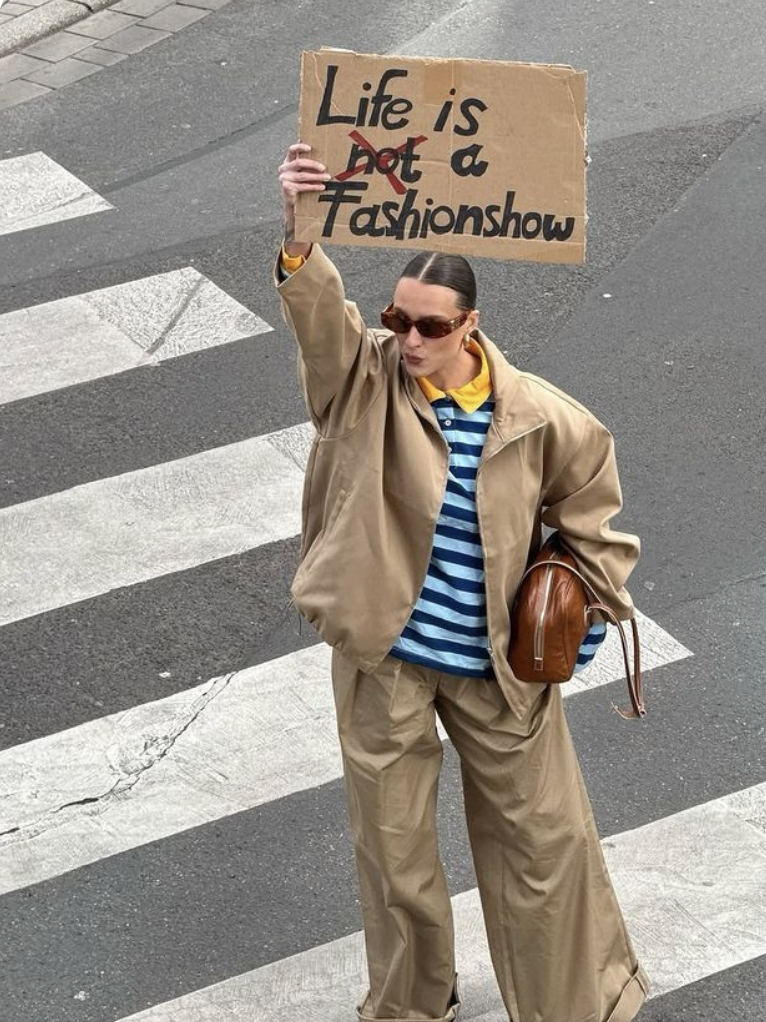
Then there’s the constant pressure of perfection. On social media platforms we face content that are often polished and idealized, which creates an atmosphere that makes honesty and vulnerability harder, when we compare ourselves to others (Sanderson et al.). Even the trend of “being real” online, where influencers show their off-days, unfiltered photos, or messy routines, often feels like performance. Instead of sharing who we really are, we end up performing a curated identity – and that makes the online culture feel more staged than meaningful.


And then there’s our attention which “has become the currency of the digital age, and social media serves as the marketplace.” (Sanderson et al.). Algorithms and design tricks keep us scrolling, even if the content has no depth. As a result, thoughtful posts get buried under loud, attention-grabbing ones, simply because the system favors whatever hooks us instantly.
Social media doesn’t just show us culture – its shapes how we experience and value it.
Media scholar Jacob Lund explains that media aesthetics are not just about the content itself, but about how media shape our perception of the world:
“In my understanding, media aesthetics concern how media help shape our experience of the world – that is, what it means for our perception and understanding of the world, and how we understand ourselves and each other. It is more about the conditions set by the media than about the content they carry” – Jacob Lund (Translated from [Kristoffersen]).

This idea fits perfectly with social media today: it’s not only the posts we scroll through that affects us, but how the platforms behave. These shape how we interpret culture, how we see each other, and even how we see ourselves.
Social media has a huge impact on how we see and experience culture.
It connects us, helps spread ideas, and introduces us to new perspectives that we might never had experience offline.
Trends, viral challenges, and influencer lifestyles show us what is considered “cool” and “valuable” in today’s digital world. Even though social media has negative sides, especially regarding endless scrolling which can affects us in several ways, it is still a big part of our culture. We are shaping culture at the same time as it shapes us. Social media might set the stage, but we still get to choose what culture really means.
WORK CITED:
- @arlindanyward. Instagram, 14 Sep. 2024, https://www.instagram.com/p/C_5zVnBNREm/
- @bentsenn. Instagram, 16-25 Sep. 2025, https://www.instagram.com/p/DPJMeaXCLe1/?img_index=1
- Furedi, Frank. “The Internet and Social Media Are Changing Culture.” Aspen Institute Center for Business Education, 2017, https://www.aspeninstitutece.org/article/2017/internet-social-media-changing-culture/
- Kristoffersen, Marie Louise. “Jacob Lund: Vores forståelse af nærvær er under forandring.”Art Matter, 20 Feb. 2021, https://artmatter.dk/journal/jacob-lund-vores-forstaaelse-af-naervaer-er-under-forandring/?fbclid=IwAR3O26_cMK46_rfmeiCXJsCzt-t-DuFoez4SM-TYTcuLnP6VKsQz6BjPNhM
- Sanderson Daniel, and Relearning Economics in Cultural Journalism. “The Impact of Social Media on Culture.” Planksip, 6 Oct. 2024, https://www.planksip.org/the-impact-of-social-media-on-culture/
Leave a Reply