Impacts of third parties pitching into our relationships.
In the age of TikTok influencers and “feminine energy” coaches, romance has started sounding less like a feeling and more of a game plan. One of the most visible figures in this shift is Shera Seven, the self proclaimed dating advisor famous for her “sprinkle sprinkle” catchphrase. Her videos often encourage women to be more strategic, emotionally guarded, basically evil. This so we can get whatever we want from men. While her advice is wrapped in humor, it reflects a much larger cultural trend: third parties on the internet are re-teaching us what love should look like and not always in healthy ways.
Dating influencers have become the new experts in a landscape full of uncertainty. Many young people turn to these strangers for advice on how to go about their relationships. Researcher’s warn that this shift us going to come with consequences. In a 2025 study, Jo Large and Natasha Mulvihill argue that online dating experts ” seek ostensibly to advocate for women… but may instead contribute to social anxiety and contradictory expectation.” (Large and Mulvihill). In other words, influencers may promise empowerment but end up making dating even more stressful.
Shera Seven is a perfect example of this tension. Her message is seductive because it offers clarity.focus on financial security, and don’t let emotions get in the way. Love, in her world is less of a connection and more of a negotiation. Be cool, but calculating. Be feminine, but use it as a leverage. #DONTfallinlove!
“Avoid broke men (dusties)”,

*This image shows how Shera influences others.
*image: themedium.com
On the surface this advice may feel protective. Many women embrace her guidance after experiencing disappointment or mistreatment. But eh deeper issue is that this kind of message reframes romantic relationships into transactions, shaping how women enter connections and how they expect men to behave. Instead of asking “Do I trust?” the question becomes “What can I get from him?” And instead of asking “Do I feel safe being vulnerable?” the question shifts to “how can I avoid being taken advantage of?”
This aligns with a broader research about how gender norms influence attraction. In a study on online dating scenarios, Kelsey Chapetta and Joan Barth found that traditional gender role expectations still heavily shape who people find desirable (Chapetta and Barth 188). Their work suggests that performative roles , men as providers, women as distant or passive which continue to drive dating choices, especially online. Influencers like Shera Seven dont create thes norms but they amplify them to millions turning old social scripts into TikTok soundbites.

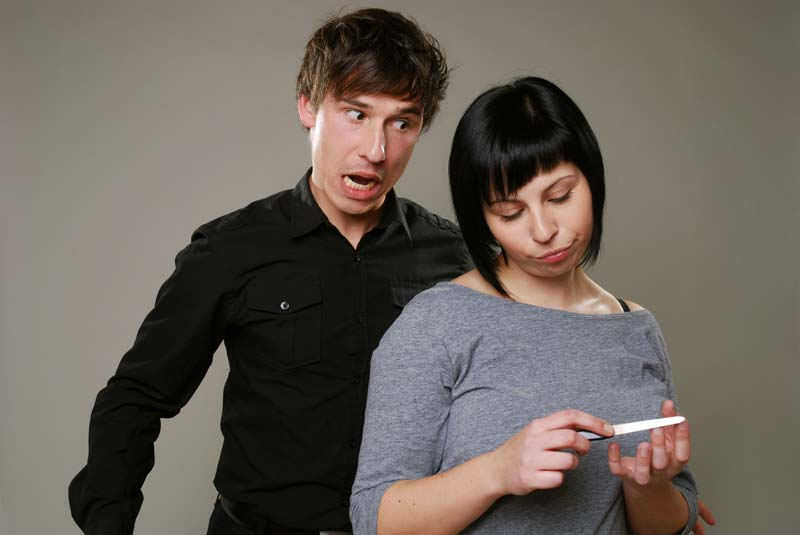
This shows how many third parties there is.
image:stock
This raises an important question: what happens to love when we treat it like a strategy? when third party influencers step in to tell us how to behave , they often simplify complex emotions into catchy formulas. Be cold. Don’t text first. Ask for gifts. Don’t get attached. These rules may help people feel in control, but they also make dating more adversarial. We stop approaching relationship with curiosity and vulnerability, and instead we approach them like competitions
Shera Seven’s popularity reflects a generation trying to survive the chaos of modern dating ghosting, mismatched intentions, emotional exhaustion, and the pressure of social media. While her advice might protect someone from short-term hurt, it risks closing the door on long-term intimacy if everyone is following a strategy, who is actually showing up authentically? #whatislove?
Love requires communication, but influencers often promote withholding as a tactic. Love requires mutuality, but influencers often frame relationships as a negotiation of power. When third parties define how we love, we risk losing the ability to listen to ourselves.
Chappetta, Kelsey, and Joan Barth. “How Gender Role Stereotypes Affect Attraction in an Online Dating Scenario.” North American Journal of Psychology, vol. 18, no. 2, 2016.
Large, Jo, and Natasha Mulvihill. “The New Experts of Online Dating: Feminism, Advice and Harm on Instagram.” Journal of Gender-Based Violence, 2025.
Leave a Reply