by: Lauren Onodera-Brasel
“Love” has always been a difficult term to define for the whole of society. Many have been successful in love, others unlucky, and some have decided to stay away altogether. Rather recently, a lot of people (mainly Gen-Z) have decided that they are not meant for love, nor capable of it, because we keep seeming to hurt each other. But why is this? Why do we seem to be failing in love? What is propelling this phenomenon? The answer, unfortunately, is complex; the media has shaped our perceptions to the point where it’s hard to make our own decisions regarding how to navigate our lives. Sounds simple enough though, right? Except, it’s not, and I’ll tell you why?
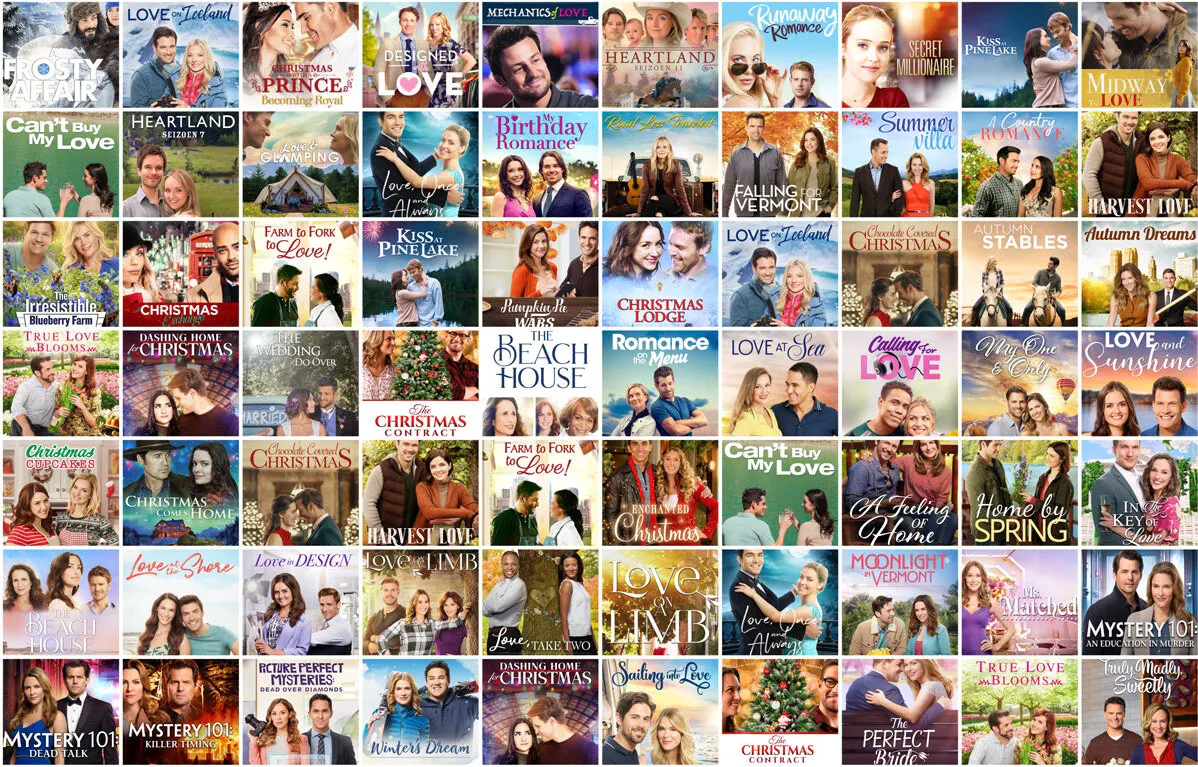
For as long as we can remember, love and romance has always been portrayed in the media, whether that be books, movies, or TV shows. Throughout the years, a pattern has been made in the plot of these romantic endeavors. It may start off with the backstories, then it leads to a meet cute of sorts, and the characters get to know each other. They fall in love, but there’s a complication and everyone’s mad at each other. Doors are being slammed, or people are walking away from each other not knowing what they’re leaving behind. There’s a bit of a stubborn period, but then the characters realize they need each other. And they reunite and live happily ever after. Now, this is a plot that we still see in the media today, despite how much it’s grown. Granted, a lot has changed, and it is not the only storyline present, but there’s still the overall message that love looks a specific way. However, that’s not the case for so many others. Despite if it’s like that for the majority, it doesn’t take into account those who are on a different spectrum, have been traumatized, or are more reclusive. I read a book recently called “Loveless” by Alice Oseman where the main character is aromantic and asexual. A huge portion of the book is dedicated to this girl trying to experience romantic love the way her peers and those in the movies have. She spent her entire life reading books and watching movies that all presented romance to her in the same ways, and she tried her hardest to have a similar experience. But she couldn’t produce the feeling that they spoke so heavily about, and the thought of intimacy disgusted her. So, throughout this journey of her discovering that she is aro/ace, she struggles with feeling at peace within herself because she couldn’t understand why she was different from the majority of people. But the main message started to appear once she started accepting that her love was different from what was portrayed in the media. Just because she couldn’t feel romantic love, it didn’t mean that she didn’t have the ability at all. She loved her friends, so much so to the point she made grand gestures for them in order to show that love and ask for forgiveness from them after a conflict. She still cared, and she still felt sad over potentially losing a love; it just wasn’t romantic. And I believe the media leads us astray from the fact that love is still accessible to those whose lives don’t play out like the movies.

But movies aren’t the only source of misinformation when it comes to how love is portrayed. Over the years, especially throughout COVID-19, the expectations placed on society have increased. Now, there’s a fluctuation of theories and rules and standards that people have to meet. People often omit that there are arguments involved, and that it isn’t all sunshine and rainbows. We don’t see the boringness of it all. I saw a video a couple weeks ago where this guy was talking about a relationship he had been in. His ex had broken up with him because he claimed the guy was too boring for him. And I think this ties in to how all we see are people doing extravagant things for each other, especially on social media. We forget that these are just 30 second clips, and not someone’s whole life. An article by For Better or For Worse reads, “These highlight reels are often polished, filtered, and curated. What we don’t see? The disagreements, the mundane routines, the silent dinners after a long day, or the moments of doubt and growth.” And they’re right, no one’s interested in the real parts of what it means to be in a relationship and to love. Sometimes love is boring, sometimes it’s hurtful, and other times it makes us feel on top of the world. It’s not something that stays the same all the time, just as we don’t either.

Here’s my takeaway on all of this: people pay too much attention to other people’s lives in the media that it leads to the fear of making one’s own decisions. Romantic love isn’t the only form of love, and it may not always be the most important (at least for a good amount of people). Love’s messy, and can be unkind sometimes, but it’s there. It’s part of the human condition, the same way that death, loneliness, and emotions are as well. Perhaps we hold too many expectations over what our lives are supposed to turn out like. Media strays us from realizing that love is different for everyone. The only similarity is that we experience it.
Work Cited
Chew, Arron. “How Social Media Is Shaping Our Expectations of Love.” For Better For Worse, 9 May 2025, forbetterforworse.co.uk/blog/p/how-social-media-is-shaping-our-expectations-of-love/.
Oseman, Alice. Loveless. New York, Scholastic Press, 2021.
Leave a Reply